
Siberian Ruderalis Regular
 Ace Seeds
REG
AUTO
FLAVORS
 Lemon
Siberian Ruderalis: family tree
- Descendants
- Early Fast Version
Lineage as declared by the seedbanks: sometimes they disagree.
Price Comparison Table — Siberian Ruderalis Regular
| Vendor |
|---|
| No prices found for this strain yet. |
Description from Ace Seeds
Hardy Siberian Landrace Resilience
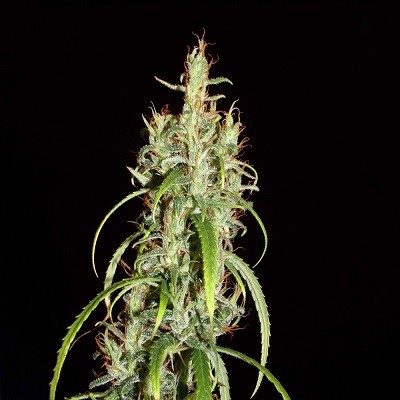
Originating from the harsh environments near Lake Chebarkul in Russia, this Siberian Ruderalis variety is a testament to botanical endurance. These semi-wild plants are renowned for their extreme vigor and ability to flourish in inhospitable climates where standard cannabis strains often fail. Historically used by local villagers to produce flavorful, high-CBD charas, this landrace represents a piece of deep-rooted genetic history.
Genetic Heritage and Characteristics
The strain is believed to be a natural hybridization between local Ruderalis varieties and landraces from nearby Kazakhstan. This unique lineage contributes to its pungent, citrusy aroma and dense trichome production. While many phenotypes offer mild psychoactivity, they are primarily valued for their high CBD content and robust growth patterns.
Selected through three generations of controlled open pollination, these seeds have been stabilized for indoor cultivation by filtering out weak individuals and hermaphrodites while maintaining high genetic diversity. The plants are exceptionally hardy, requiring minimal nutrients due to their natural adaptation to rocky soils.
Growth Cycle and Physical Traits
These autoflowering plants begin their flowering phase rapidly, typically within 2 to 3 weeks of germination. They exhibit significant vertical growth, reaching heights between 120 and 190 centimeters. A striking visual characteristic occurs toward the end of the flowering cycle, when over 25% of the plants develop deep purple hues.
Germination and Cultivation Tips
Because these seeds evolved to survive brutal Siberian winters with average January temperatures of -21°C, they possess a thick, waterproof shell designed to sprout only in late spring. To ensure successful germination, growers are encouraged to use cold treatment or the seed-cracking method. Soaking the seeds in water mixed with Aloe Vera gel before cracking can achieve germination rates exceeding 80%.
Reviews
No reviews yet: add the first one!